**Examining “Exodus”: The Innovative Realm of Romance in Sci-Fi RPGs**
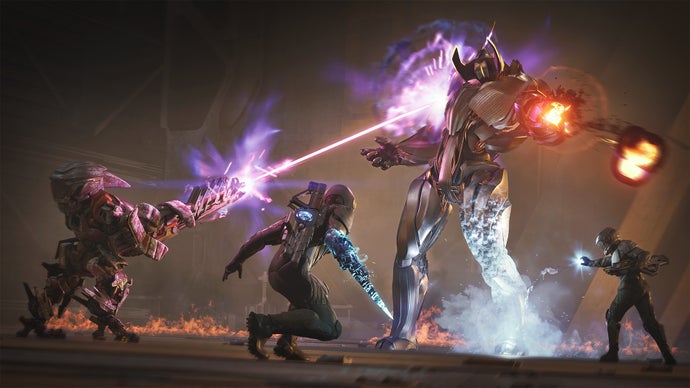
The forthcoming sci-fi RPG *Exodus*, created by Archetype Entertainment—a studio established by ex-BioWare developers—promises a gameplay experience that echoes the cherished *Mass Effect* series. Nonetheless, *Exodus* brings new elements to the table, particularly in its treatment of romance, permitting a more inclusive and player-centric method.
### A Fresh Perspective on Romance
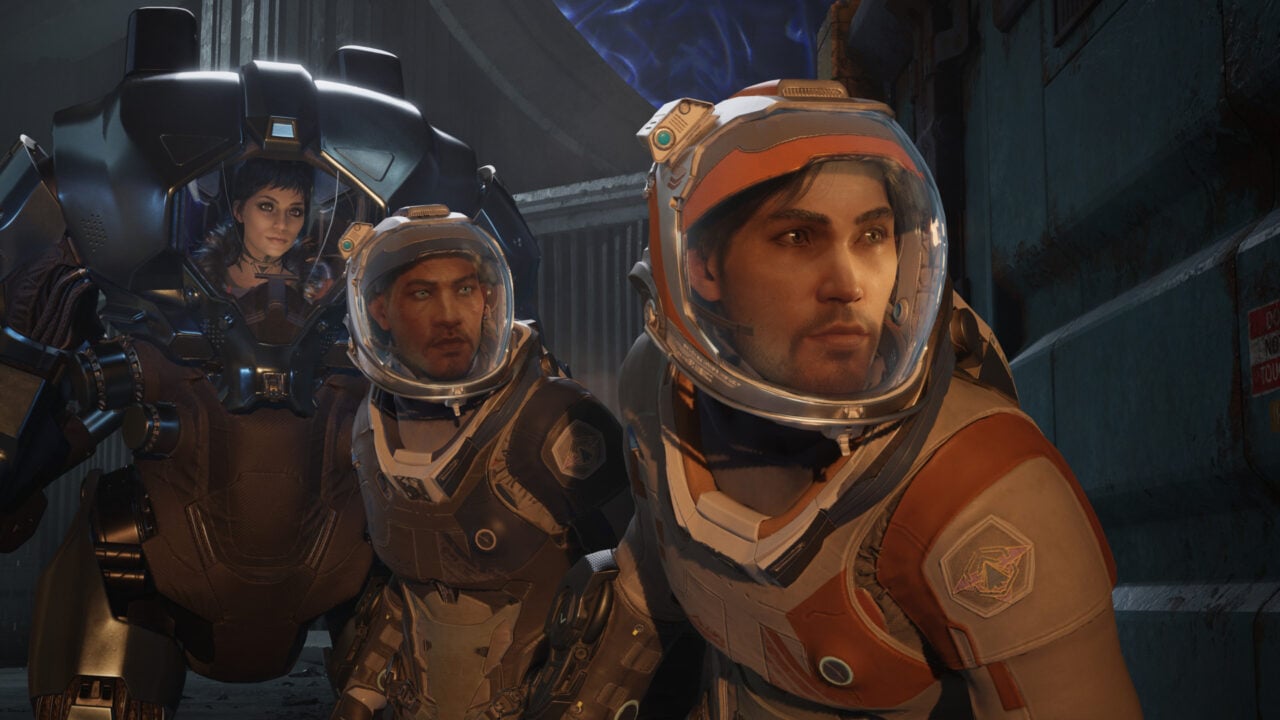
In a discussion with *IGN*, Drew Karpyshyn, the narrative director for *Exodus*, disclosed a notable departure from conventional gender-restricted relationship frameworks. Players will have total control over the romantic elements without limitations related to their character’s gender. This signifies that both male and female versions of the main character, Jun Aslan, will have the same chance to engage with any romantic partner.
This markedly contrasts with the initial *Mass Effect* series, where same-sex relationships for male characters were only introduced in *Mass Effect 3*. Even subsequently, romantic options were often distinctly predefined. For example, in the first two installments, female characters could only be pursued by male protagonists, creating restrictions in LGBTQ+ representation.
### Development of Relationships
BioWare has alternated between restricting romance options by gender and adopting a “playersexual” model, which allows characters to be pursued irrespective of the player’s gender choice. The latest release in the *Dragon Age* series, *Dragon Age: The Veilguard*, embraced this inclusive stance, making all party members pansexual.
While both approaches provide unique storytelling advantages, the “playersexual” model seems to be a favored trend, permitting wider representation and relatability. Players tend to lean towards inclusivity, ensuring that queer identities and experiences feel acknowledged and validated.
### Intricate Affections
*Exodus* extends beyond merely presenting varied romantic choices; it offers depth and intricacy in relationships. Karpyshyn hinted at possible polyamorous interactions, alongside the challenge of balancing romantic advances from several characters at once. The game’s framework aims to capture the nuances of real-life relationships, where decisions and actions can significantly influence personal bonds.
“There’s no scenario where a character will pursue you if you didn’t make the first move,” Karpyshyn stressed. Players will navigate a complex network of interactions that may lead to both fulfilling romances and potential heartbreaks, dependent on their choices.
### Complex Relationships and Themes
Furthermore, romance in *Exodus* will encompass not just flirtation but also advanced themes. While explicit content is included in the game’s design, Creative Director Chris King assures that these scenes will be comparatively more “reserved” than those in other titles like *Baldur’s Gate 3* or *Cyberpunk 2077*. This equilibrium strives to uphold narrative depth while still engaging with adult themes.
As fans look forward to the launch scheduled for April 7, excitement mounts for the revival of captivating relationship dynamics that can evoke both passion and tension in a richly developed space opera environment.
In summary, *Exodus* marks a critical transformation in the approach to romance within RPGs, encouraging inclusivity and player agency that is increasingly essential in today’s gaming world, while still ensuring that relationships maintain a genuine sense of complexity and realism.